

The oil and gas industry is pivotal in fueling our modern civilization. Drilling operations are essential for accessing the vast energy resources buried beneath the earth's surface. However, this industry has inherent dangers and complexities, requiring an unwavering commitment to safety and security.
The world of drilling is fraught with risks. Technical failures and the looming potential for catastrophic oil spills underscore the perils those who work on oil rigs face. Safeguarding these operations and the individuals who labor on these structures is a matter of paramount importance. In this regard, oil rig security booths emerge as a critical solution.
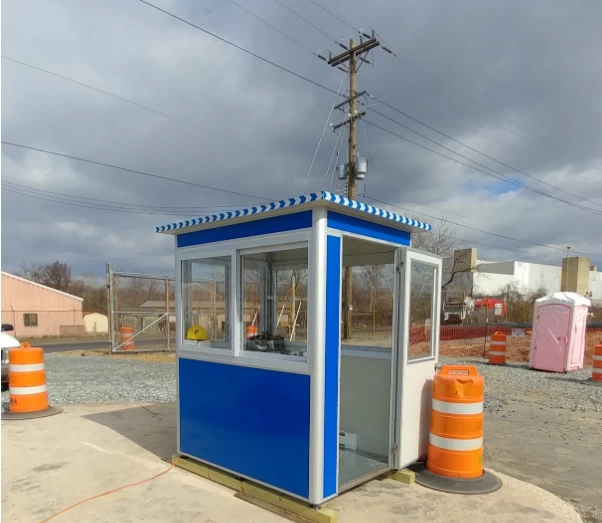
Oil rig security booths serve as the first line of defense, protecting drilling platforms from various physical and environmental threats. In this article, we will explore the vital role these security booths play in ensuring drilling operations' security, safety, and sustainability. We will delve into their design, deployment, and the advanced technology that underpins their effectiveness.
But the story doesn't end there. Behind the façade of these pragmatic structures lies a world of innovation and intrigue that warrants closer examination.
Join us as we uncover the critical functions of oil rig security booths as the unsung heroes of drilling operations.

Safety is paramount in the high-stakes world of drilling. Ensuring the well-being of personnel, protecting the environment, and maintaining the integrity of the operation are fundamental objectives.
To achieve these goals, the oil and gas industry has developed a comprehensive set of safety measures and protocols that are rigorously adhered to on oil rigs.
Here are some steps that must be followed to ensure oil rig safety:
Maintaining a safe working environment on oil rigs cannot be overstated. Not only does it protect the lives of those working on these structures, but it also safeguards the environment and ensures the continued operation of the drilling platform.
By prioritizing safety measures and protocols, the industry protects its assets and ensures a sustainable and secure energy future.
Oil rig security and safety measures cannot be overstated. These measures are the guardians of personnel, equipment, and invaluable assets on drilling rigs, mitigating the inherent dangers in oil rig work. Drilling rig safety is more than just a priority; it's necessary.
Here are some reasons why oil rig security is so utterly important:
Oil rig security and safety are fundamental pillars of drilling operations. They serve as a protective shield around personnel, equipment, and assets. The importance of security and safety extends beyond financial considerations; it encompasses environmental preservation, legal compliance, and international energy security. Rigorous security and safety measures protect the operators' immediate interests and contribute to the responsible and sustainable future of the oil and gas industry.
The oil and gas industry's drilling operations present a unique set of security challenges that demand meticulous attention to oil rig security booths, drilling rig safety, and addressing the dangers associated with oil rig work.
These challenges arise from the remote locations, the potential threats, and the imperative to safeguard against unauthorized access, vandalism, and sabotage on oil rigs.
Let’s take a closer look:
Addressing these oil rig security challenges necessitates a multi-faceted approach encompassing proactive measures such as enhanced surveillance, security training, advanced security technology, and a culture of drilling rig safety. The industry's ability to adapt and respond to these challenges will be crucial in maintaining drilling operations' security, safety, and integrity while addressing the dangers inherent to oil rig work.

Oil rig security booths enhance security and safety on drilling platforms, serving as the frontline guardians against many potential threats.
Their deployment provides various benefits, including adequate access control, surveillance, and facilitating emergency response measures.
Learn more about the role of oil rig security booths below:
In summary, oil rig security booths are indispensable components of drilling operations, providing a critical layer of protection. Their role extends beyond security, encompassing drilling rig safety, access control, surveillance, and emergency response coordination. The benefits they offer regarding safeguarding personnel, assets, and the environment are invaluable in an industry where the stakes are high and the margin for error is minimal.
Oil rig security booths are meticulously designed structures that play a vital role in ensuring the safety and security of drilling operations. These booths' features and design elements are carefully crafted to withstand the environment's unique challenges, address the dangers inherent in oil rig work, and uphold drilling rig safety.
One of the paramount features of oil rig security booths is their durability. These structures are built to withstand environments' harsh and corrosive conditions. They are often constructed using stainless steel or other corrosion-resistant alloys to ensure long-lasting performance. This durability not only prolongs the lifespan of the booths but also minimizes maintenance requirements.
Drilling rigs are exposed to extreme weather conditions. Booths are designed to be weather-resistant, with robust sealing and weatherproofing measures to protect against the elements. This is essential for maintaining the structural integrity of the stalls and ensuring the safety of personnel inside.
The drilling industry recognizes the potential threat of explosions or blasts due to the presence of flammable substances. To address this concern, some oil rig security booths are designed to be blast-resistant. They are constructed with reinforced walls and windows that can withstand the force of an explosion, protecting personnel within and preventing further damage to the rig.
Security booths are equipped with advanced technologies to enhance their effectiveness. These may include state-of-the-art surveillance systems, access control mechanisms, biometric authentication, and communication systems. Such technologies enable real-time monitoring, quick response to security incidents, and effective coordination of emergency response efforts.
The security booth design considers the comfort and functionality of the personnel stationed inside. Ergonomic layouts, seating arrangements, and workstation design ensure that security personnel can perform their duties efficiently, especially during extended shifts.
Oil rig security booths are designed to comply with industry safety standards and regulations. They must adhere to rigorous safety criteria to ensure the well-being of security personnel, visitors, and the overall drilling rig safety.
In conclusion, the features and design elements of oil rig security booths are carefully tailored to address drilling operations' specific needs and challenges. Their durability, weather resistance, blast resistance, advanced technologies, and compliance with safety standards make these structures essential for oil rig security and drilling rig safety. They protect valuable assets and play a vital role in preserving human lives and the surrounding environment in an industry where safety is paramount.

Oil rig security booths serve as the first line of defense in drilling operations. However, their effectiveness is greatly amplified when integrated with advanced security systems.
These systems encompass the following:
Integrating security booths with advanced security systems offers oil rig operators a range of benefits, significantly enhancing the overall security and safety of drilling operations.
Comprehensive security systems facilitate immediate response to incidents when integrated with security booths. This quick reaction time is crucial in addressing security breaches and safety emergencies, thereby minimizing risks to personnel and assets.
Surveillance cameras integrated with security booths provide a 24/7 watchful eye over the rig. This constant vigilance deters potential threats and assists in incident investigation and post-incident analysis.
Integration of access control systems ensures that only authorized personnel are allowed on the rig. This reduces the risk of unauthorized access and enhances overall drilling rig safety.
Centralized monitoring and integration of various security systems in the security booth streamline security operations. This efficiency improves the security team's effectiveness, improving overall overall oil rig security.
A comprehensive security system that includes integrated security measures is more likely to meet the stringent regulatory requirements governing drilling operations. Compliance with these regulations is vital for both operational and environmental safety.
In conclusion, integrating security booths with advanced security systems is a strategic move that significantly enhances oil rig security, improves drilling rig safety, and mitigates the dangers inherent to oil rig work. Oil rig operators stand to gain from the comprehensive protection provided by these systems, ensuring the safeguarding of personnel, assets, and the environment while maintaining the integrity of drilling operations.
Ensuring compliance with safety regulations and industry standards is of utmost importance in drilling, where oil rig security and drilling rig safety are paramount concerns.
The oil and gas industry operates within a rigorous framework of safety regulations and industry standards, many of which are enforced by governmental bodies and international organizations. These regulations are specifically designed to address the unique hazards associated with oil rig operations, encompassing critical aspects of drilling rig safety, including structural integrity, safety equipment, emergency response protocols, environmental protection, and security measures such as deploying oil rig security booths.
Compliance with safety regulations extends far beyond mere legal obligations; it represents a profound moral imperative. Failing to adhere to these regulations can lead to catastrophic consequences, including accidents, environmental disasters, and tragic loss of life. By steadfastly adhering to drilling rig safety regulations, the industry erects a sturdy defense against such potential calamities, minimizing risks and ensuring the uninterrupted continuity of drilling operations.
Moreover, compliance with safety regulations is significantly bolstered by the presence of oil rig security booths. These booths are integral to maintaining a safe working environment, as they offer a secure location for monitoring and responding to potential security threats.
In addition to essential compliance, the best practices in drilling rig safety go a step further, encompassing the minimum requirements and proactive measures. These measures include routine safety audits, ongoing training programs, adopting advanced technologies, and fostering a robust safety culture. By embracing these practices, the industry fortifies its commitment to safety and maximizes the effectiveness of oil rig security booths and other safety measures.
In the context of compliance, it's also crucial to recognize the environmental aspect. Safety regulations emphasize the need to protect marine ecosystems and minimize the environmental impact of drilling operations. Rigorous adherence to ecological rules ensures that the industry operates in an environmentally responsible manner, reducing the risk of oil spills and other environmental disasters.
In conclusion, compliance with safety regulations and industry standards is not only a legal requirement but an ethical commitment to the safety of personnel, the protection of the environment, and the sustainability of drilling operations. Oil rig security booths play a pivotal role in helping the industry maintain this commitment by ensuring that safety regulations are met while safeguarding against potential security threats, ultimately promoting a culture of safety and security within the industry.

