It is a sad fact, but having an active shooter plan for businesses has become essential. While human civilization has come an amazingly long way since the days of Roman gladiator games, beheadings over unpaid taxes, and so many other atrocities that people committed against each other, the world can still be a very dangerous place. Even in seemingly safe industrialized nations, such as the United States. In fact, according to FBI statistics, workplace shootings are on the rise in the U.S.

While nothing can bring back the people lost in an active shooting situation, we all know that an ounce of prevention is worth a pound of cure. Creating an active shooter plan for businesses can prevent violence and save lives.
Where do active shootings happen? Anywhere.
The most common place for active shooting situations to play out is in commerce areas – businesses, restaurants, office buildings, and the like. Most active shooter situations occur in private businesses. For example, in 2010, 11% of all workplace fatalities were the result of homicide; 78% of these were shootings. Most often, the killings are random and frenzied.
Sadly, schools experience the second highest rates of active shooters, literally placing the lives of our children and the future of our nation in jeopardy. Fortunately, law enforcement officials are hard at work creating plans to thwart and diffuse active shooter situations, and there are ways that schools can increase their security. Businesses can learn from these plans as well.

These heart wrenching and life altering mass shootings can happen anywhere – our schools, places of worship, businesses, restaurants, movie theaters, and even our highways.
Anywhere. Anytime.
But let's back up a moment and work on defining what an active shooter really is. This term refers to a single person who enters a building or space, with firearms, and with the intent to kill people. Typically, an active shooter will target people in a confined and populated area. It usually involves a single gunperson, and is generally over fairly quickly – in five to fifteen minutes. While sometimes the shooter begins with a person they know, most of the killing is completely random as they simply shoot at any person they see or anything that moves.

While we often think of mass shootings as things that happen in schools and nightclubs, the truth is that most have occurred in office buildings and places of business. According to an FBI list of active shooter events from 2000-2018, most active shooter events occurred in stores, factories, manufacturing plants, and other places of business, so it's best to have active shooter procedures for businesses in place.
Here are a few sad examples:
Any business – large or small, urban or rural, blue collar or white collar – is at risk for an active shooter incident.
Do a quick search online and you will see no end to the statistics on mass shooter violence. This is a very real issue, and it can happen anywhere.
The story statistics tell us is sobering. Since 2000, there have been more than 250 active shooting situations in the United States, with nearly 1,500 people wounded and more than 800 people losing their lives. And these numbers may actually be low depending on how you define an active shooter. The FBI, where these numbers originate, only classifies something as an active shooting if at least four people die. By some estimates there have been closer to 350 active shooters since the year 2000.

All of these facts and figures are not meant to terrify or intimidate, but to express the importance of preparing and securing your building and employees against the threat of active shooters.
Being unprepared for an active shooter situation can be disastrous. Fortunately, there are some steps businesses can take to minimize, or even prevent, an active shooter situation.
Many companies today are looking to deter active shooter situations through training and enhanced security. They are also looking to improve their ability to respond quickly to diffuse a situation if an active shooting situation occurs. In fact, one NPR article suggests that insurance companies are encouraging organizations to complete plans, and some highly sensitive chemical industries are compelled by law to create plans.
Every business is at risk. It is that simple. But you can assess your organization's level of risk by asking yourself the following questions:
How we respond to mass shootings has changed in the past two decades. Before and during the Columbine High School shooting, active shooters were treated with the same caution, care, and careful timing of a hostage situation. Thus, many people died from their wounds in the 47 minutes that it took the Columbine shooting to play out.

Today, most law enforcement take a different approach, knowing that stopping a shooter quickly is paramount. But how a private security force handles such a situation can be very different from trained police officers.

There are a number of ways that businesses can prepare their security forces for an active shooter. Among them are:
The most important thing you can do for your employees is to help them prepare mentally for an active shooter. No matter what you expect of your security team, they must be well trained, well equipped, and have quick and easy ways to contact emergency responders.
According to the Houston, Texas police department, non-security employees should recognize that they have three behavior choices in an active shooting situation:
And of course, all employees should call 911 as soon as they are able.
An effective security force can save lives by doing the following:
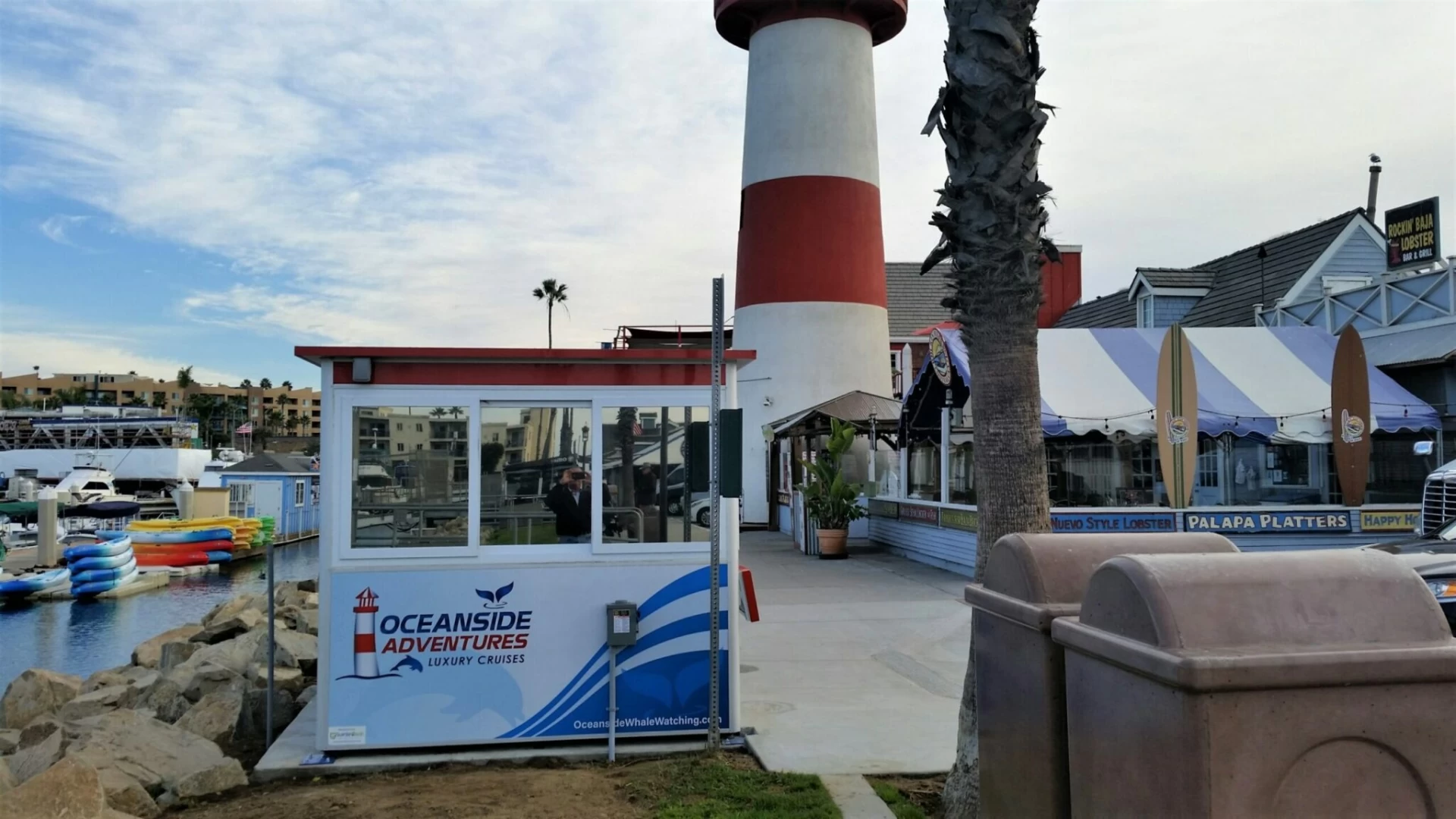
An effective security force must be well trained, and also regularly tested and retrained. They must also have access to the right tools and equipment, including security cameras, electronic keycard or biometric entry systems, effective security gates, and of course a bullet resistant guard shack from which to oversee security operations.

According to the FBI, "active shooter" refers to a single person who is actively attempting to kill multiple people in a populated area. A sadly high number of active shooter incidents in recent decades have "underscored the need for a coordinated response by law enforcement and others to save lives," according to the FBI. In short, both public and private groups must work together to prevent, stop, and minimize active shooter situations.
When an active shooter situation occurs, the entire event is usually over in less than 15 minutes. That means that things happen – and people die – very quickly. Thus, you must have a plan in place to help facilitate quick thinking, quick action, and quick communication with police, paramedics, and other responders.
The faster you are able to call law enforcement and other assistance to the scene, they better the chance that they stop the shooter and tend to the wounded in a way that minimizes the damage done.
Hopefully, you will never be anywhere near an active shooting situation in your life. But if you or your organization is, the U.S. Department of Homeland Security has lots of good advice for coping with an active shooter, advice you might consider going over in a training with employees or posting in a break room:
Learn more about active shooter situations at the FBI website.