
Maintaining supply chain security is crucial in international trade. Complying with the Customs-Trade Partnership Against Terrorism (CTPAT) program is essential for warehouse managers engaged in cross-border activities. This comprehensive guide delves into the importance of obtaining CTPAT compliance for warehouses.
The CTPAT is a voluntary initiative created by the US Customs and Border Protection (CBP) with the primary objective of strengthening global supply chains and enhancing border security. It establishes a collaborative environment between the CBP and the trading community with the aim of safeguarding commerce from potential terrorist threats while promoting global trade.
Warehouse managers demonstrate their commitment to security by adhering to the CTPAT trade compliance guidelines. In doing so, they play a vital role in maintaining the integrity and robustness of the supply chain.
Warehouses located near the US/Canada and US/Mexico borders face elevated security risks due to their geographical proximity to international borders. Such risks can range from smuggling and theft to unauthorized access and other illicit activities. For warehouse managers, gaining a comprehensive understanding of these risks is crucial. It empowers them to devise effective security protocols that not only mitigate these threats but also ensure full compliance with CTPAT trade guidelines.
Warehouses along the US/Canada and US/Mexico borders must adhere to a specific CTPAT compliance for warehouses checklist to meet the required standards. The CTPAT warehouse requirements checklist should include the following measures, as part of CTPAT best practices:
By adhering to the standards set forth in the CTPAT trade compliance warehouses list, businesses can enhance their security protocols and demonstrate their commitment to maintaining the integrity of global supply chains.
The U.S. Customs and Border Protection provides benefits to warehouses that achieve CTPAT compliance as a way to incentivize and acknowledge their commitment to enhancing global supply chain security. By adopting and implementing stringent security measures, these warehouses contribute to the CBP’s overarching goal of protecting trade from potential terrorist threats and other illicit activities.
The benefits offered are also a recognition of the substantial investments and efforts made by these warehouses in terms of time, resources, and operations to align with the CTPAT compliance requirements. These rewards serve as motivation for other businesses in the supply chain to follow suit, thereby collectively strengthening the security of global trade.
The benefits of CTPAT compliance not only improve the efficiency and reliability of warehouse operations but also enhance their competitive standing in the global marketplace.
Modular security structures play a pivotal role in enhancing the security posture of warehouses aiming to comply with CTPAT standards.
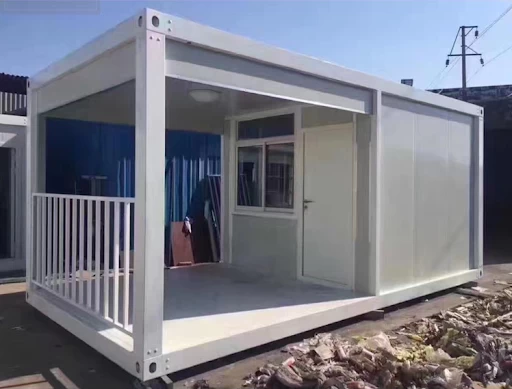
Firstly, modular security structures, such as security booths or portable offices, provide an essential physical security barrier, controlling access to the warehouse premises. They offer a centralized location from where security personnel can monitor, control, and document all incoming and outgoing traffic, thereby reducing the risk of unauthorized access, theft, and smuggling.
Secondly, these structures are often equipped with technology and systems to further bolster security. This includes surveillance cameras, alarms, and other monitoring equipment to detect any unusual activities or security breaches.
In addition, modular security structures are flexible and can be tailored to fit a warehouse’s specific security needs. They can be easily relocated or reconfigured as warehouse operations evolve or as threat levels change.
In terms of CTPAT compliance, the use of modular security structures indicates a warehouse’s serious commitment to maintaining high-level security protocols. It can help meet CTPAT’s minimum security criteria, which includes maintaining proper access controls, visitor identification, and regular inspections. As such, implementing modular security structures is a proactive approach to demonstrating compliance with CBP guidelines and enhancing overall warehouse security.
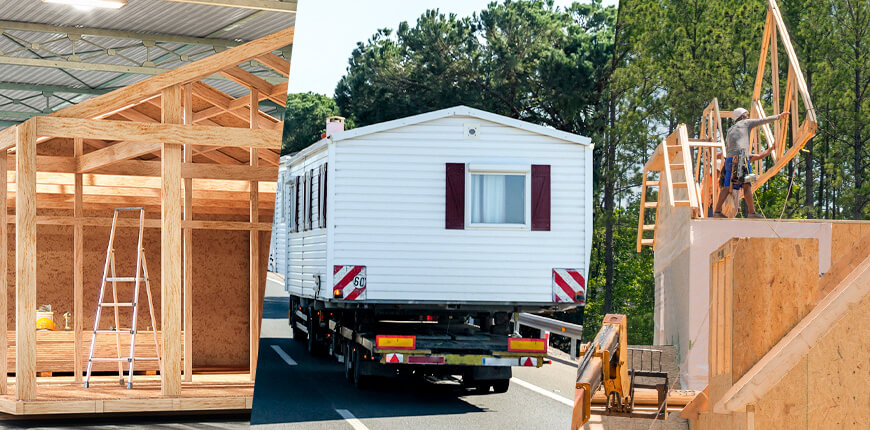
Permanent buildings offer durability and long-term stability. They often provide a larger workspace, which may be necessary for extensive warehouse operations. These structures typically demonstrate a higher level of security and can be equipped with advanced, integrated security systems, which can help meet stringent CTPAT requirements. However, they lack the flexibility of being easily modified or relocated. They also entail significant time and financial investment, both for initial construction and for any later modifications needed to meet changing security standards or operational needs.
On the other hand, prefab movable units offer a high degree of flexibility and adaptability. They can be quickly installed, easily relocated, or reconfigured as needs change, making them ideal for growing or evolving warehouse operations. This is especially useful in the context of CTPAT compliance, as security requirements might change over time. They are generally more cost-effective, both in terms of initial investment and ongoing maintenance. However, prefab units may not provide the same level of robustness as permanent structures, and adding advanced security features might be more challenging. Therefore, the choice between permanent buildings and prefab movable units should be made considering the specific needs, budget, and long-term plans of the warehouse.

When choosing a modular security structure for CTPAT compliance, warehouse managers must weigh the advantages and disadvantages of permanent structure vs temporary structure in warehouses.
Ensuring the quality and durability of a modular security structure is essential for long-term performance. Selecting materials and construction methods that withstand environmental conditions and potential security risks is vital. Consider structures built with sturdy materials such as steel or aluminum and certified to relevant industry standards to ensure longevity and reliability.
To meet individual warehouse needs while maintaining CTPAT compliance, customizing prefabricated booths for warehouse CTPAT compliance is crucial.
Here are five examples of customization features that may be relevant to CTPAT warehouse managers:
Prompt delivery time is crucial when selecting a modular security structure, as warehouses need to ensure the timely implementation of CTPAT compliance measures. A reliable warranty protects against structural or functional issues arising after installation. Warehouse managers should prioritize vendors with reasonable delivery time and comprehensive warranty coverage.
Warehouse managers should also seek to work with a vendor that provides reliable and reachable support in case of repair issues. Some customers may require add-on items such as heaters or LED lights for their structures. A vendor’s responsiveness and willingness to stand behind their work are essential for long-term customer satisfaction and the smooth operation of CTPAT-compliant security structures.
Guardian Booth is a renowned provider of prefabricated booths and modular security solutions. With a reputation for delivering high-quality products, we have extensive experience in meeting the specific needs of warehouses seeking CTPAT-compliant security structures.
At Guardian Booth, we excel in customizing prefabricated booths. Our team of experts collaborates closely with warehouse managers to understand their unique requirements and provide tailored solutions. We ensure each booth is designed to align with CTPAT best practices, incorporating the necessary features to enhance security and compliance efficiency. We take into account the unique operational characteristics, size, and layout of each warehouse and provide tailored solutions that offer maximum effectiveness and value.
We’ve established a solid track record of assisting warehouses in achieving the stringent security standards required for CTPAT compliance. Their specialization lies in the provision of prefabricated booths that function as robust security control points, helping to significantly enhance warehouse security.
Our modular security booths, which can be easily incorporated into a warehouse’s existing security infrastructure, provide a centralized and highly visible point for controlling and monitoring access, making them an integral part of a comprehensive security solution designed to prevent unauthorized access, theft, and other illicit activities.
Moreover, Guardian Booth is known for its prompt delivery times. We understand the urgency that often accompanies the need for enhanced security measures, and Guardian Booth prefab booth delivery time enables warehouses to implement the needed security upgrades without delay. This commitment to quality, customization, and efficient delivery has helped many warehouses successfully navigate the process of achieving CTPAT compliance.
This modular booth CTPAT compliance case study highlights Guardian Booth’s ability to deliver reliable and compliant security structures tailored to individual warehouse requirements.
Achieving CTPAT compliance for warehouses is crucial for supply chain security. By investing in prefabricated booths, warehouse managers can enhance safety, improve operational efficiency, and gain access to CTPAT benefits. By partnering with Guardian Booth, warehouses are taking a critical step toward improving their security and contributing to the overall safety and integrity of global supply chains.
Contact us today to explore how our prefabricated booths can help you achieve CTPAT compliance for warehouses.